
The Fire We Keep Setting
Why Africans Burning African Homes Is the Most Self-Defeating Act on a Continent That Cannot Afford It
By Ochieng Owiti
Adapted from the author's longer original manuscript. This De' Calabash edition has been edited for length, clarity, and magazine publication while preserving the author's central argument.
De' Calabash
Bold Ideas. Brave Stories. Boundless Afrika.
There is a particular kind of grief that comes from watching a people turn against themselves. Unlike colonialism or apartheid, where oppression came from systems designed to divide and exploit, today's xenophobic violence in parts of South Africa is a tragedy carried out by Africans against fellow Africans.

Across Johannesburg, Durban, Cape Town, and beyond, migrant-owned businesses have been looted, homes destroyed, and families displaced. Zimbabweans, Mozambicans, Malawians, Nigerians, Ethiopians, Somalis, and many others have become convenient targets for frustrations rooted in unemployment, inequality, and failing public institutions. History, however, teaches a simple lesson: societies do not solve structural problems by blaming the most vulnerable.

Africa has already learned this lesson the hard way. In 1969, Ghana expelled thousands of Nigerians during an economic crisis. In 1983, Nigeria expelled more than two million undocumented West African migrants, including over one million Ghanaians. Neither country achieved the prosperity its leaders promised. Economic hardship remained, while trust, trade, and regional solidarity suffered lasting damage.

South Africa now risks repeating that mistake. The country's challenges are real; youth unemployment, poverty, inequality, corruption, housing shortages, and weak public services have left many communities frustrated. Yet burning a Zimbabwean-owned shop creates no jobs. Driving away a Nigerian entrepreneur does not improve healthcare or education. The real problems remain untouched.
There is another irony. Many of the countries whose citizens are now targeted helped sustain South Africa's development and liberation. Workers from across Southern Africa built its mines, farms, and industries. Independent African states supported the anti-apartheid struggle with diplomacy, education, sanctuary, and sacrifice. South Africa's freedom was won with continental solidarity. That history should matter.

The African Union's Agenda 2063 imagines a continent connected by trade, investment, innovation, and the free movement of people. That vision cannot succeed if African entrepreneurs fear opening businesses across borders or skilled professionals believe their nationality makes them unwelcome.

Being born is not a skill.
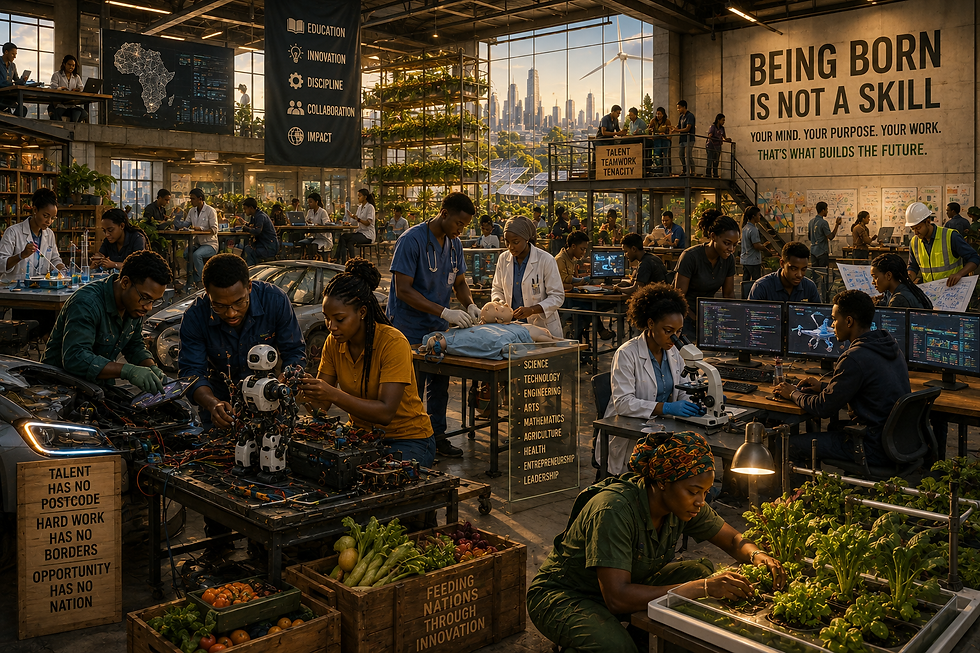
Prosperity comes from education, entrepreneurship, innovation, and accountable leadership. Africa's youngest generation deserves governments that invest in opportunity rather than division, and leaders who solve unemployment instead of searching for scapegoats.
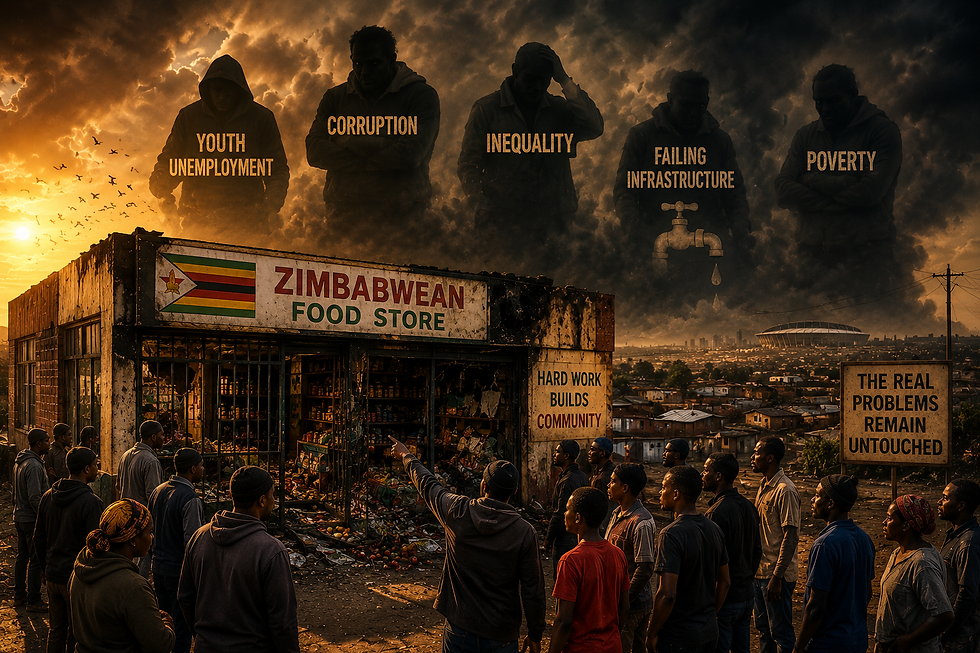

Kwame Nkrumah envisioned a united Africa because he understood that fragmented nations would struggle to compete globally. Thomas Sankara warned against the politics of division. Steve Biko reminded us that true liberation begins in the mind. Their message remains urgent today. The fire consuming a migrant-owned shop does not solve unemployment. It destroys African investment, weakens African markets, and delays the integrated future envisioned by Agenda 2063.

Africa cannot build continental integration while burning continental solidarity.
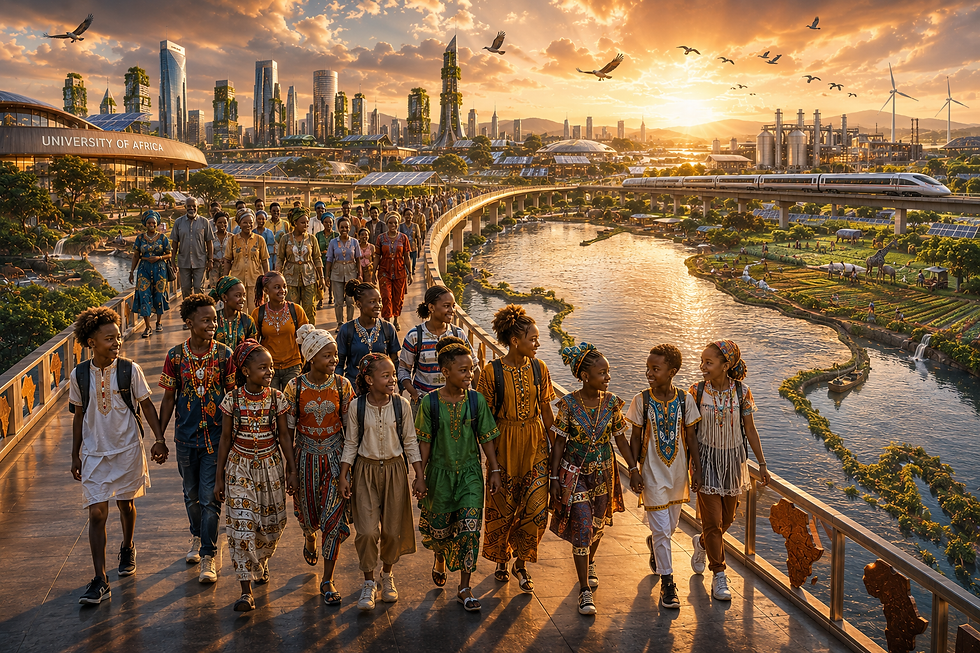
The choice before us is clear. We can continue repeating the mistakes of history, or we can build an Africa where dignity, opportunity, and shared prosperity cross borders more easily than fear.

The next generation deserves nothing less.


Comments